By Molly Magunga, MS ATC, CPT, CES
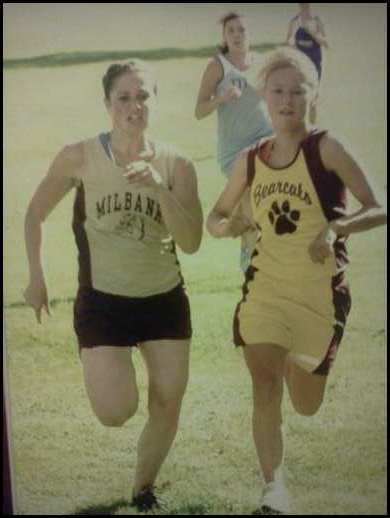
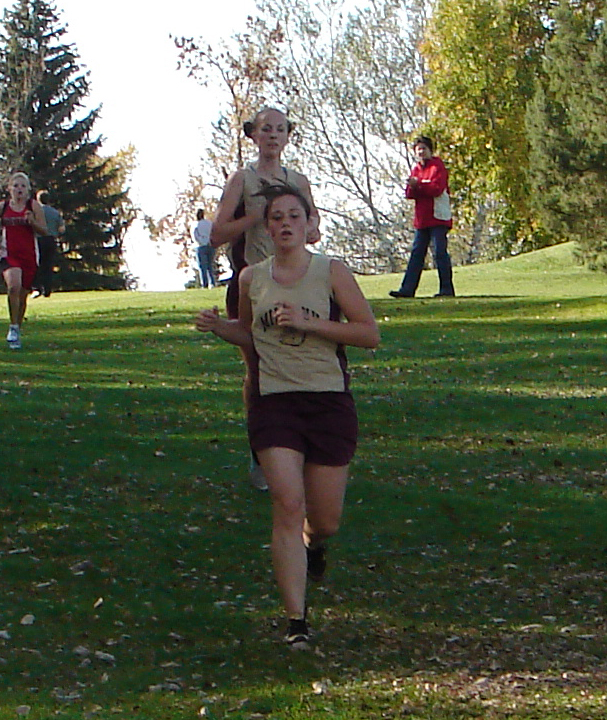
Hello Everyone! This week’s “Fitness Tip of the Week” is about running! As a former cross country runner, fall weather always gets me in the mood for running. To me, there is nothing better than crisp air, dewy grass, and open pavement waiting for you. I grew up running, so it’s a more natural form of cardio to me. Ask me to swim or cycle and my body will be drained in about 2 minutes, but distance running has always been doable. Now that I am older and no where near training shape, I have gotten more experience with the hate part of the running love/hate relationship. Usually, I would only get this glimpse during races or hard training days, but my inconsistent running schedule has let me experience this a little more frequently. I can understand more when people speak of how much they hate running.
Running is hard and uncomfortable when you are starting out. I think the best way I have heard running described has been “running sucks until it doesn’t.” When you are just starting out running, it can be very intimating, overwhelming, and easy to give up, but that’s true with any new workout routine. Runners know running is hard which is why there are so many great running progressions out there for people who want to start running. All you have to do is google “Couch to 5k” and you get progressions everywhere from 4 to 10 weeks. This week, I want to help take away some of that intimidation by providing some great running tips to help you get going and then to help you improve.
Tips to Get Started
- Be Patient with Yourself
- Pick a running plan, stick with it as best as you can, and enjoy the journey. It takes time to build up to distance running, so acknowledge that and celebrate your small victories along the way.
- Get your stride and feet analyzed
- With anything, safety is always number one. The biggest potential injury risk is have an incorrect stride and wearing the wrong shoes. Have a professional analyze your running stride to help correct anything before there is even an issue. You also want to have a professional help you get the right running shoes for your foot shape and gait. If you are new to running anyway, why not start out on the right foot (see what I did there?), by having stride correction as your first training goal.
- Don’t Run in Old Shoes
- Since we are on the topic of shoes, once you get the correct shoes for you, keep track of how many miles you run in them. Each shoe has a point where they start to breakdown and do more harm than good. With running shoes, this is anywhere between 300 and 600 miles. Check online to see what your shoe maker says and stick to it as best you can.
- Easy-Light-Smooth
- Your first goal in a running program should be for a certain distance or time to get easier first. Once it feels easy, focus on feeling light while you run. When you are feeling light on your feet during that distance or time, focus on being smooth through your movements. This will help ease the run and increase your pace.
- Talk during Your Runs
- A good test that your running pace isn’t too fast when you are starting out is with the talk test. If you can talk to a friend or recite a poem while you are at that pace, then it’s a good pace for you. If you can hardly catch your breath, let alone talk, slow it down!
- Run Facing Traffic
- If you are on a road with no sidewalks, run so you can see traffic coming to you. In some states, it’s even the law to do this. You want to see cars approaching, not having one come up behind you. You can’t protect yourself from something you can’t see coming.
Tips to Help You Improve
After you have started running and have hit a good rhythm with your training, you are now in a good place to work on slight changes that can really improve your running. Some programs might have these tips already built in, but, if they don’t, please seriously consider adding them.
- Strength Train
- You need to keep your muscles strong so they don’t break down while you run. Strong, lean muscles help keep runners running, instead of off their feet and injured.
- Run Hills and Sprints
- It’s good to have one training day a week to do interval training. It helps increase endurance and speed. Most outdoor routes are not perfectly flat, so training with hills will also help you improve. I like training programs that mix intervals between flat surfaces and hills so I get a nice, balanced program.
- Recovery and Refuel
- Please make sure you stretch and refuel after runs. Your body just worked very hard, so show it some love and stretch those muscles and eat a well, balanced meal to replace what has been depleted.
- Proper running attire
- The best advice I have heard about dressing for a run is to dress like it’s 10 degrees warmer. You will feel perfect by mid run. Lots of people overdress and are roasting part way through. The exception to this would be if you are expecting extreme temperature changes, then layers will be your best friend.
- Map your runs
- When you start out, running for time is a great plan. After you have done that a while, mapping your run to see how far you run in a timeframe is a great way to track progress. Ideally, you would be able to cover more distance in a given time the more you train.
If you have any questions, you can contact me at mmagunga@healthworksfitness.com or comment below!
 Molly’s Fitness Tip of the Week
These are good tips!
When I started extending my running season, a tip that was good to know was the attire one. I found I could run in much colder temperatures than I thought because of the 10 degree warm up that your body feels from doing all that work.
Another tip I liked was about the shoes. Running shoes can seem like such an expense, but it can make a huge difference, and they may last you longer than you think. I use the Nike Run Club app to track all my runs, and they let you select which shoe you’re running with. It’s a perfect way to keep up on how worn down my “tires” are.
LikeLike
I have also used a running app to help me keep track of my shoe mileage. I haven’t used the Nike Run Club, but Runkeeper seems to have a similar function. Some running experts do suggest only using running shoes for running to keep the miles on the shoe accurate and having a different fitness shoe for cross training, walking around, etc. I don’t have the budget to do that, so I tend to stick to the lower end of the mile range to help compensate.
LikeLiked by 1 person